
Why Should I Take Health
Supplement?
Why Should I Take Health Supplement
A health supplement is a dietary food, a supplement derived from a plant or herb, a
mineral, a synthetic vitamin, or a fortified food wyow.marketminute. They can be used to provide
nutrients that are missing from the diet, or to help meet specific health goals, such
as boosting energy, improving mental function, or promoting weight loss.
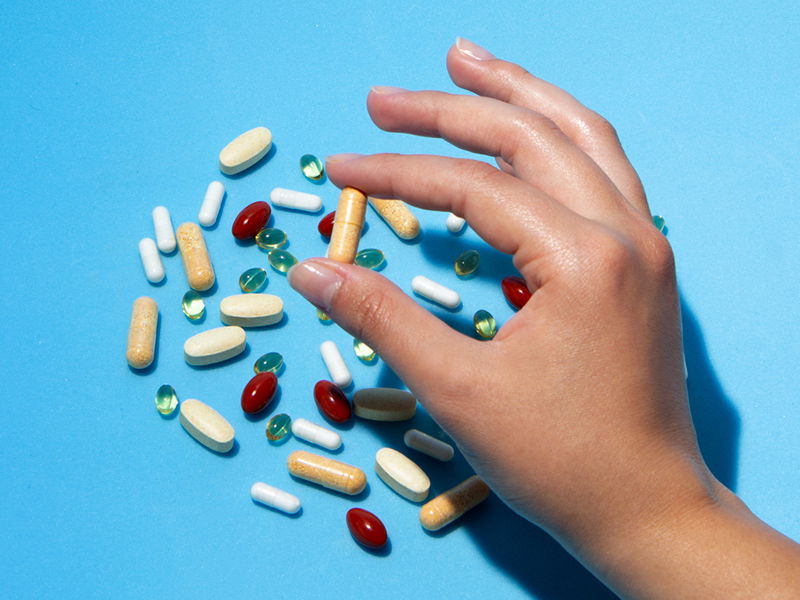
They don’t replace a healthy diet and can be taken by anyone, but they are often
recommended for people who have certain conditions or lifestyle factors that might
make it difficult to get enough of some important micronutrients in their diet.
Examples of these include pregnancy, limited sun exposure, and smoking.
The main reason most people need a supplement is when their diet lacks some
important vitamins and minerals. Diets that are low in these micronutrients can lead
to serious problems, including malnutrition or deficiencies.
It’s not always easy to find the right dietary supplements for your needs. And there
are some risks associated with taking dietary supplements, so it’s important to
discuss your options with your doctor.
Be sure to choose supplements that have been approved by the FDA and are made
using current good manufacturing practices. These standards are designed to
ensure that the supplements you take are safe and effective, and contain only the
ingredients they claim on the label.
Do not take more than the recommended amount of a supplement, and never take
more than one at a time. If you take multiple vitamins and minerals at the same
time, it can cause an imbalance in the body’s natural levels of these nutrients.
There is also evidence that some dietary supplements can interact with prescription
and over-the-counter drugs you may be taking. Taking several supplements at the
same time can also increase your risk of developing a reaction to medicines or
making them less effective.

Some dietary supplements are not as well-absorbed as others and can increase your
risk of getting a vitamin or mineral deficiency. This is especially true of iron, vitamin
B6, and zinc.
If you have a condition that causes malabsorption of vitamins or minerals, or if
you’re pregnant, talk to your doctor about the best type of supplement for you. You
may need to take supplements for a longer period of time, such as when you’re
breastfeeding or during cancer treatment.
The best way to avoid a vitamin or mineral deficiency is to eat a healthy diet that
includes a variety of foods. This ensures that your body gets a wide range of
essential vitamins and minerals.
It’s also important to know that many vitamins, minerals, and herbs are bioactive
(meaning they can change in the body over time). This makes them less effective
than naturally-occurring versions.
Some dietary supplements can have unwanted side effects, such as allergic
reactions or skin irritation. These reactions are more common if you’re taking other
medications, or if you’re taking a medication for a chronic illness, such as diabetes,
heart disease, or high blood pressure.